Building climate-resilient communities, advancing economic prosperity, strengthening institutions and promoting accountability, transparency and inclusiveness.
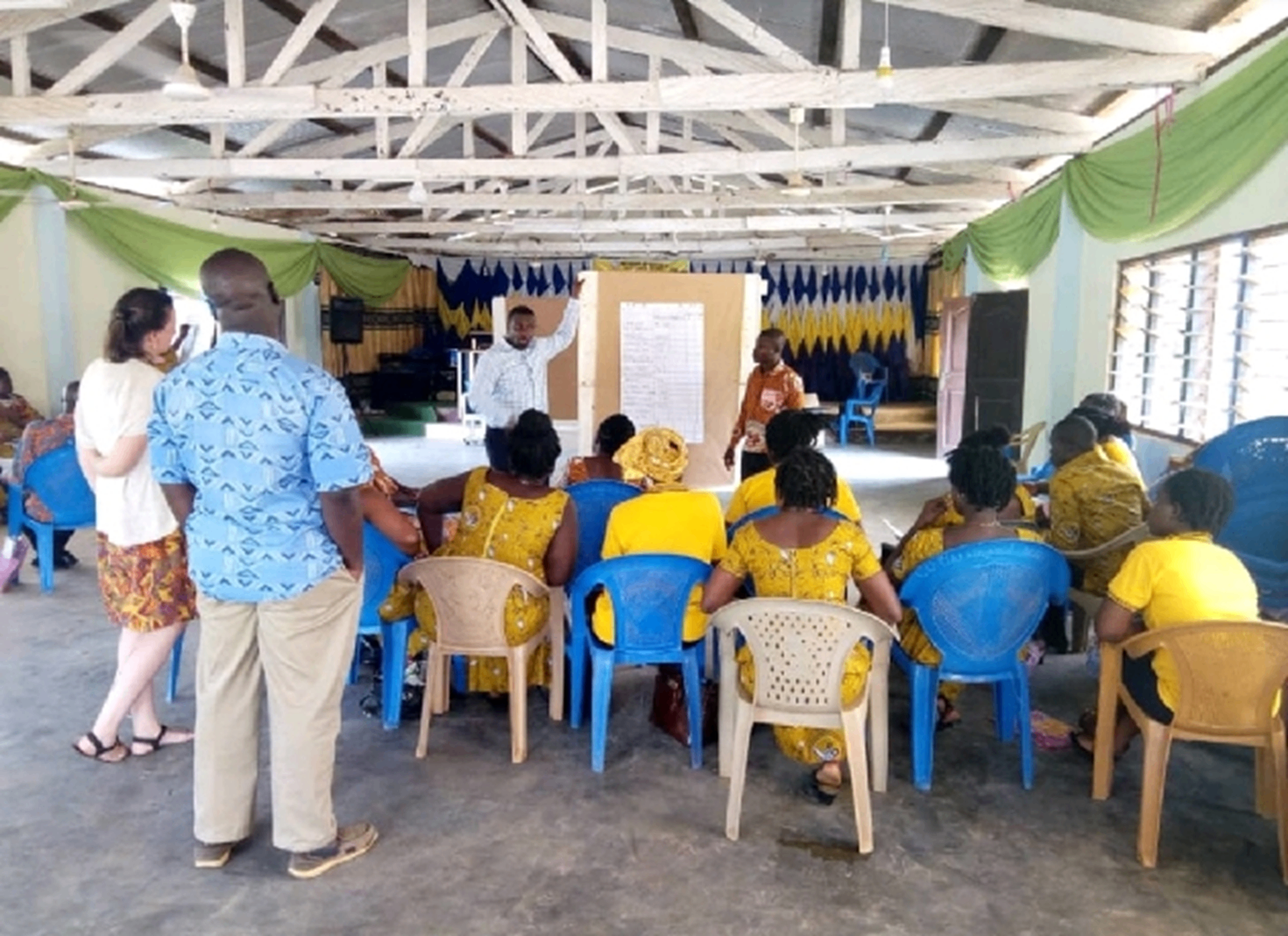
Escape Poverty Africa (EPA) is a Ghanaian non-governmental organization established in December 2013 to drive sustainable and inclusive development across Africa. We partner with governments, development partners, the private sector, financial institutions, and communities to deliver practical, evidence-based solutions that strengthen livelihoods, build resilient economies, and accelerate progress toward the Sustainable Development Goals (SDGs).
Our work integrates advisory, research, capacity development, and project implementation across our eight practice areas: Agri-Food Systems Advisory; Energy, Climate & Sustainability Advisory; Technical, Vocational Education and Training Skills; Green Business, MSMEs Support, Training and Advisory; Research, Project Monitoring, Evaluation and Learning (MEL); Governance & Social Accountability; Sustainable Mining Advisory; and Artificial Intelligence and Robotics Skills Development.
By combining technical expertise with strong local partnerships, we design and implement high-impact programmes that improve productivity, expand economic opportunities, strengthen institutions, promote climate resilience, and create lasting social and economic impact across Africa.
Across our eight service lines, our programmes contribute directly to SDG 1 (No Poverty), SDG 2 (Zero Hunger), SDG 4 (Quality Education), SDG 5 (Gender Equality), SDG 7 (Affordable & Clean Energy), SDG 8 (Decent Work & Economic Growth), SDG 9 (Industry, Innovation & Infrastructure), SDG 10 (Reduced Inequalities), SDG 12 (Responsible Consumption & Production), SDG 13 (Climate Action), SDG 15 (Life on Land), SDG 16 (Peace, Justice & Strong Institutions) and SDG 17 (Partnerships for the Goals).
- SDG 1
- SDG 2
- SDG 4
- SDG 5
- SDG 7
- SDG 8
- SDG 9
- SDG 10
- SDG 12
- SDG 13
- SDG 15
- SDG 16
- SDG 17
A climate-resilient, prosperous and inclusive Africa where every person — especially youth, women and smallholder farmers — lives free from poverty and hunger, in dignity and in harmony with the environment.
To advance sustainable development across Africa by delivering evidence-based advisory, research and implementation that build climate-resilient communities, grow green enterprises, equip youth with future-ready skills, and strengthen accountable, inclusive institutions — through strategic partnerships with governments, funders, businesses and communities.
December 2013
Koforidua, E/R–Ghana
Nationwide
Youth · MSMEs · Smallholder Farmers (SHFs)
Delivering measurable and sustainable impact across Africa's development priorities.
Agri-Food Systems Advisory
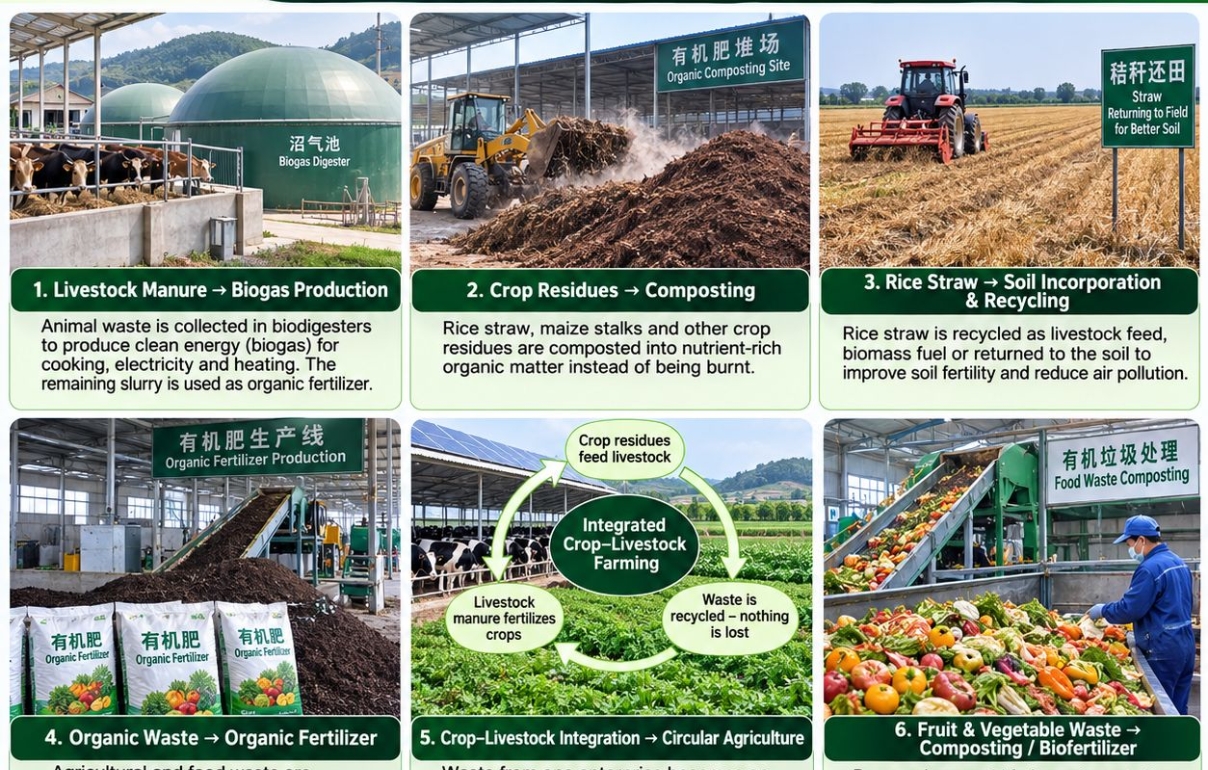
Closing the loop — from waste to value. We champion integrated crop–livestock systems that turn manure, crop residues and food waste into biogas, organic fertiliser and healthier soils — building climate-resilient, zero-waste farming communities across Africa. We strengthen climate-smart cocoa, cashew, rice, poultry, aquaculture and horticulture value chains — raising smallholder yields, food security and market competitiveness. Our integrated advisory spans farmer cooperatives development, investment readiness, business and farm management coaching, market systems development, access to finance, and strategic linkages to input suppliers, off-takers and agribusiness investors, building resilient, commercially viable enterprises that drive inclusive green growth and rural prosperity across Ghana's agricultural landscape.
Energy, Climate and Sustainability Advisory
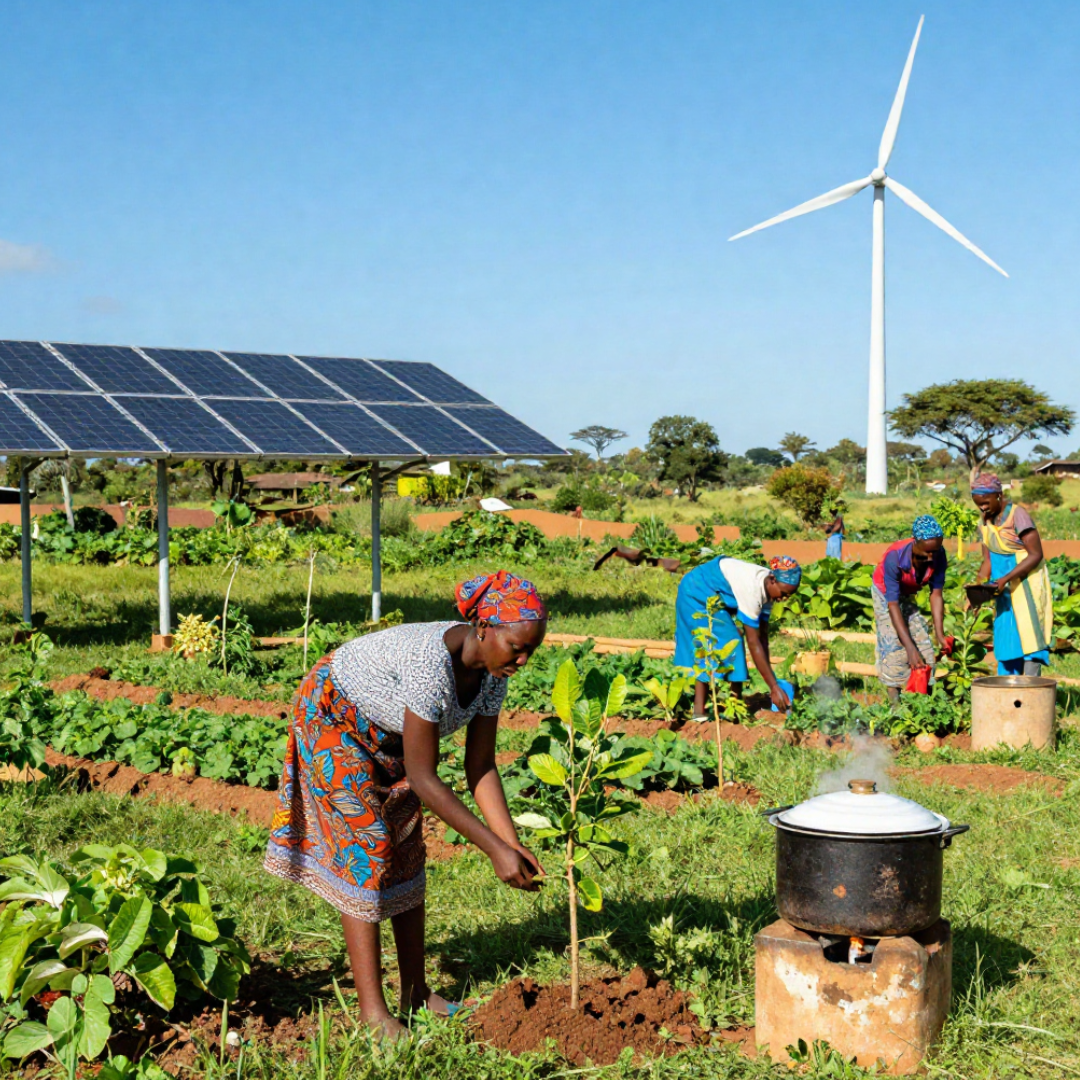
We advise governments, development partners, businesses and communities on practical pathways to a low-carbon, climate-resilient future. Our services span clean cooking, renewable energy deployment — solar cooling, drying, irrigation and milling — bio-digesters, energy audits, climate risk assessments, GHG accounting and net-zero roadmaps. We help clients align investments with Ghana's Nationally Determined Contributions, unlock climate finance, and turn energy access into a productive engine for rural enterprise growth and inclusive green jobs.
Technical, Vocational Education and Training Skills
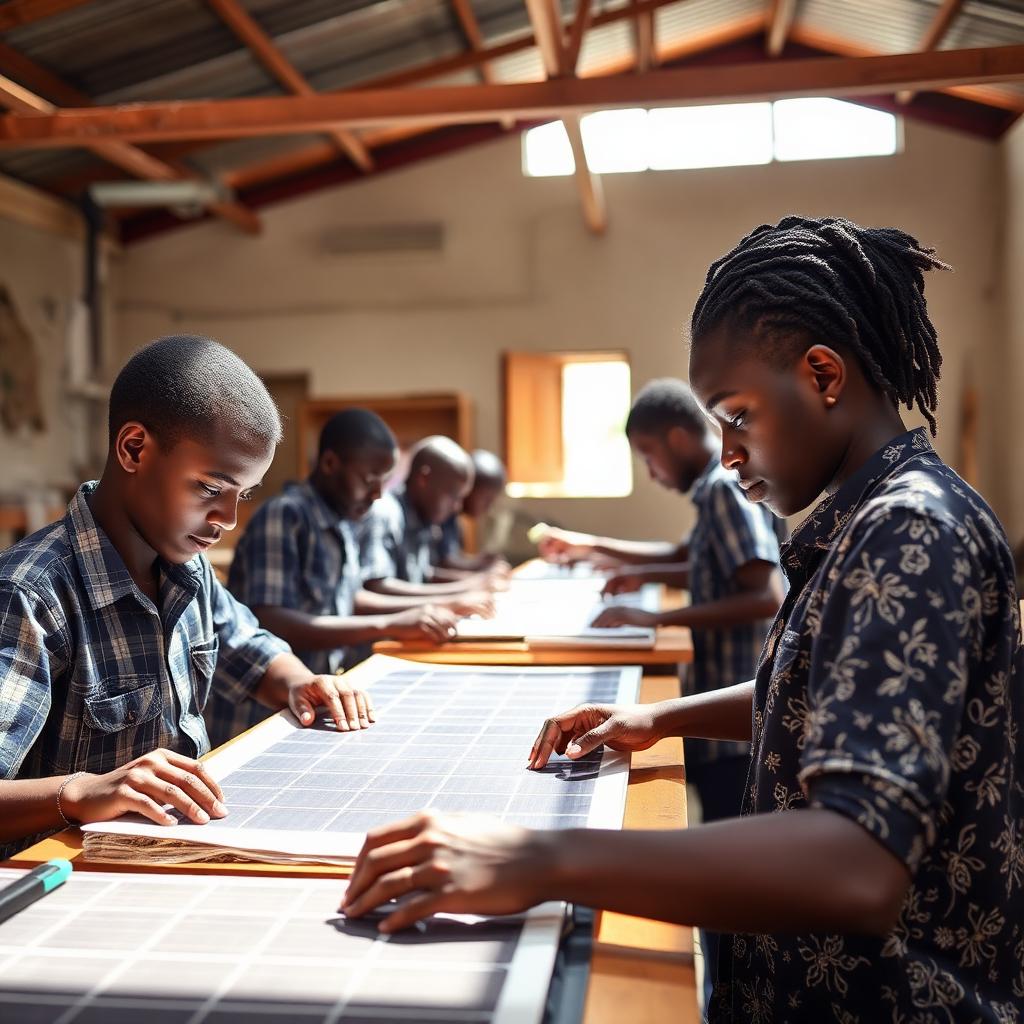
We design and deliver demand-driven Technical and Vocational Education and Training programmes that equip youth, women and persons with disabilities with market-relevant skills in climate-smart agriculture, renewable energy technologies, clean cookstove production, and inclusive fashion. Our work spans competency-based curriculum development, trainer capacity building, apprenticeship models, and industry partnerships — creating pathways to decent employment, self-employment and entrepreneurship in Ghana's emerging green economy.
Green Business, MSMEs Support, Training and Advisory
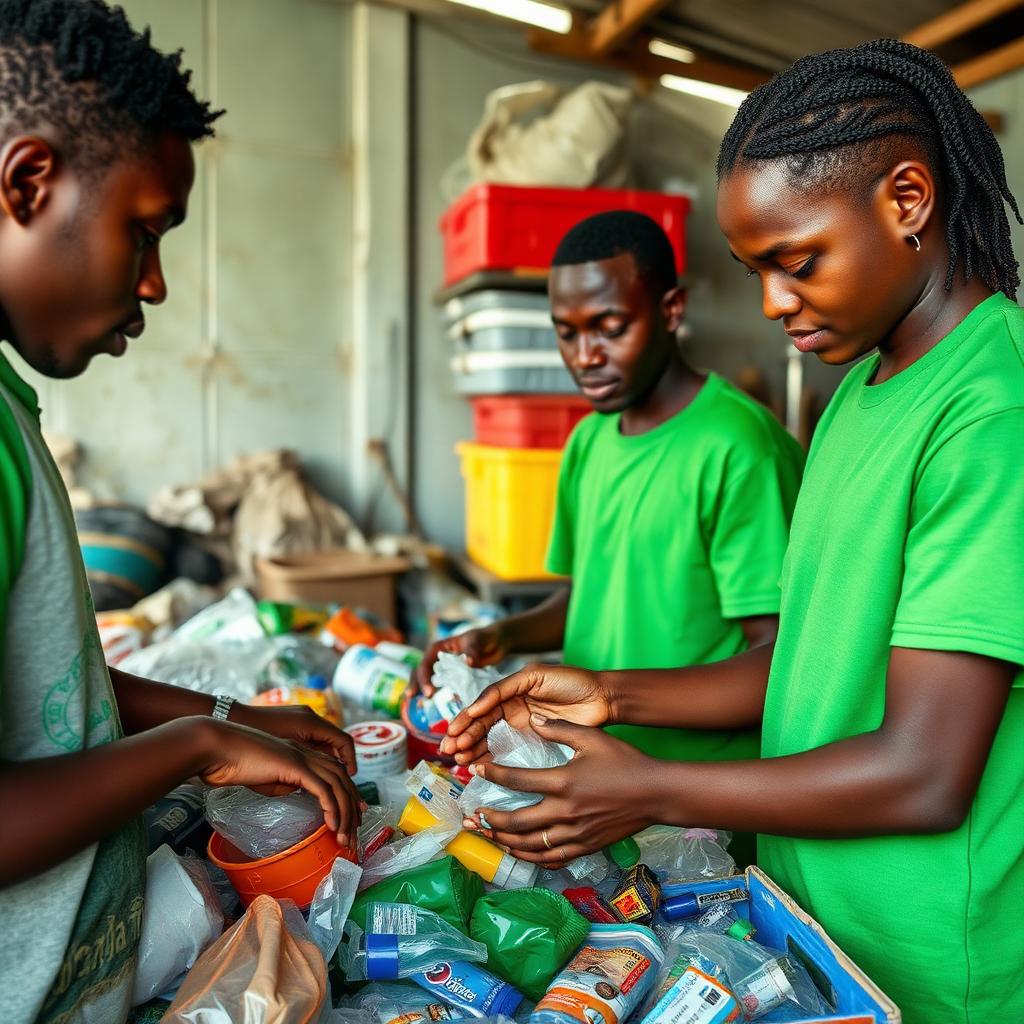
We support Ghanaian MSMEs to build competitive, climate-smart enterprises through tailored training, business development services and advisory. Our work spans circular economy models, plastics recovery, eco-friendly packaging and green product design — coupled with investment readiness coaching, access to finance facilitation and market linkages. We help entrepreneurs scale profitably, create decent green jobs and contribute to Ghana's transition to a low-carbon, resource-efficient economy.
Research, Project Monitoring, Evaluation and Learning
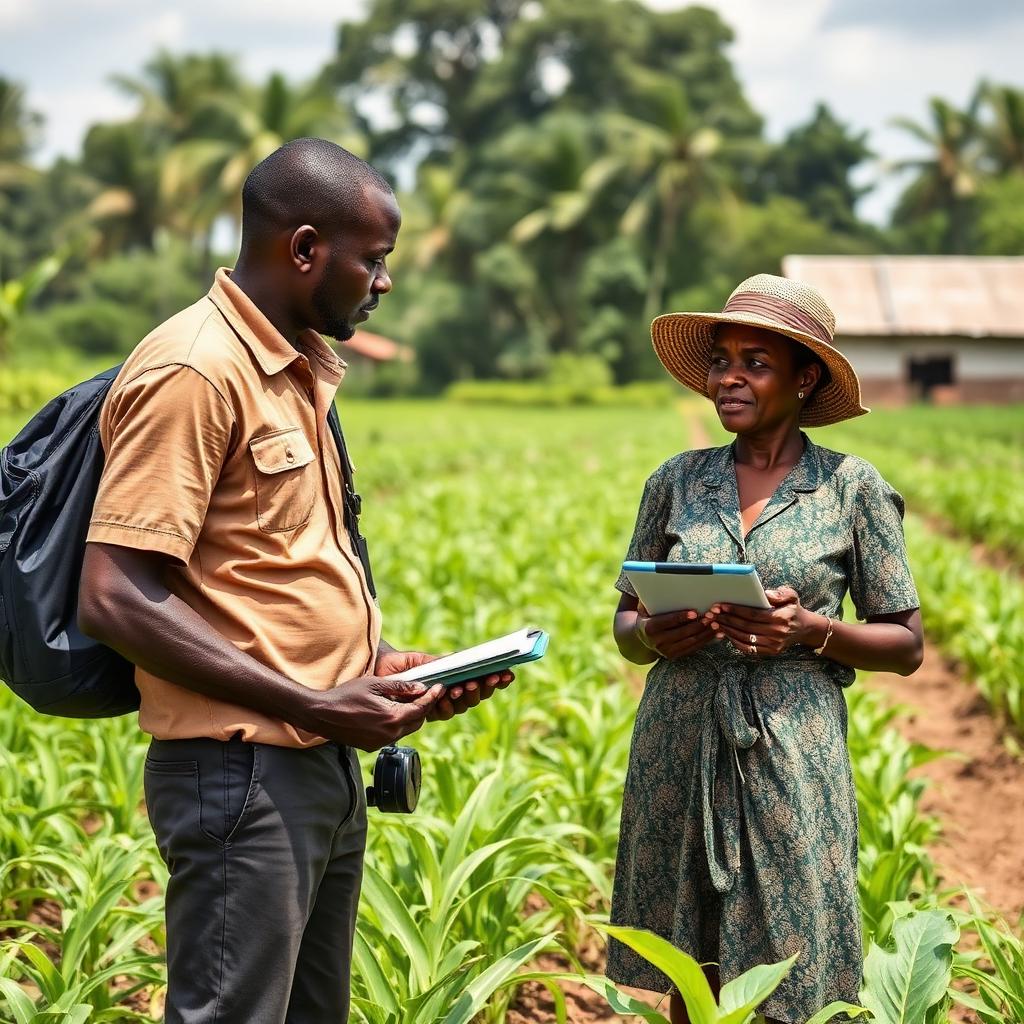
We deliver rigorous, evidence-based research and MEL services tailored to Ghana's development landscape — from baselines, mid-term reviews and impact evaluations to ESG assessments, gender analysis and climate vulnerability studies. Our teams combine field expertise across all 16 regions with robust data systems, participatory learning and adaptive management tools, enabling government, donors, NGOs and private sector partners to make sharper decisions, demonstrate results and scale what works.
Governance & Social Accountability
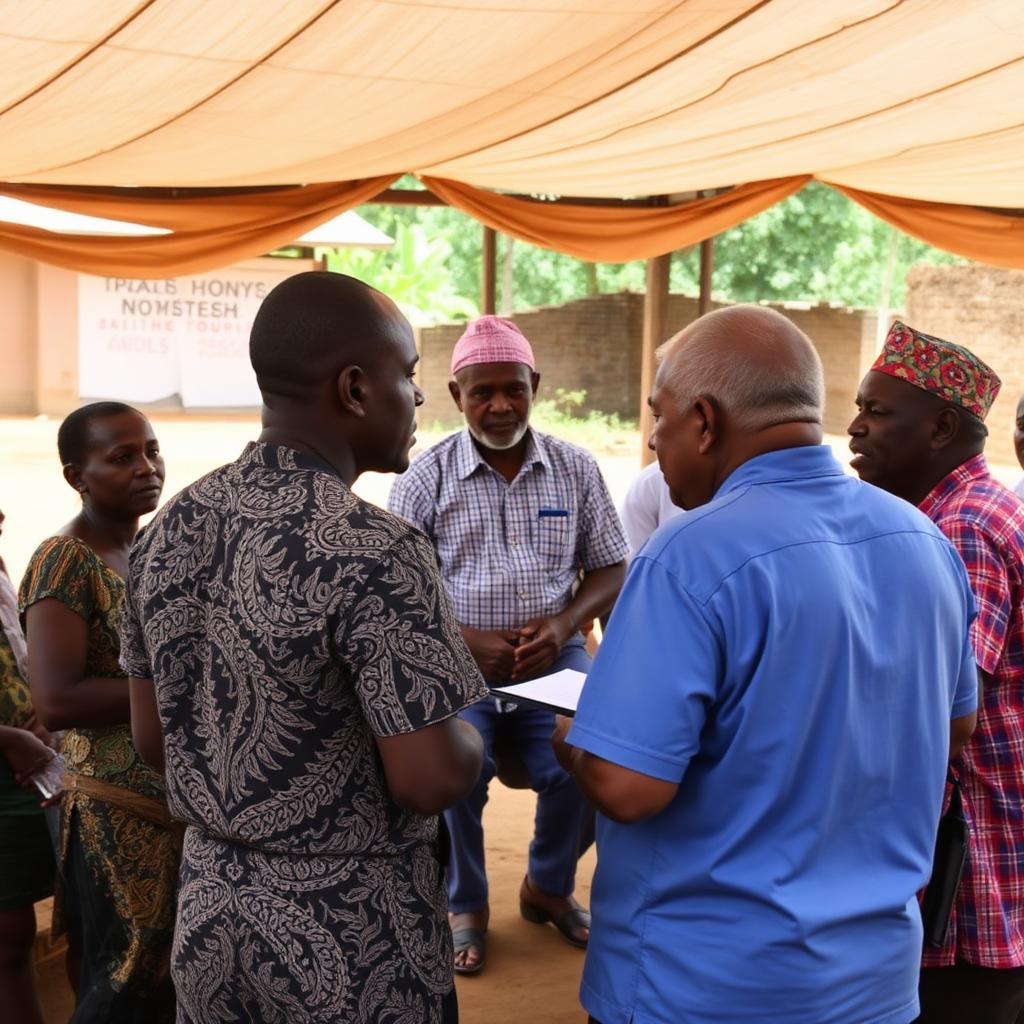
We work with MMDAs, traditional authorities, CSOs and community groups across Ghana to strengthen transparent, citizen-centred local governance. Our support helps assemblies plan, budget and deliver quality services in health, education, security, employment and sanitation, while equipping citizens with practical tools — community scorecards, town hall dialogues, social audits and RTI requests — to track public spending, engage duty-bearers constructively and demand accountability, deepening trust and improving outcomes for underserved districts.
Sustainable Mining Advisory
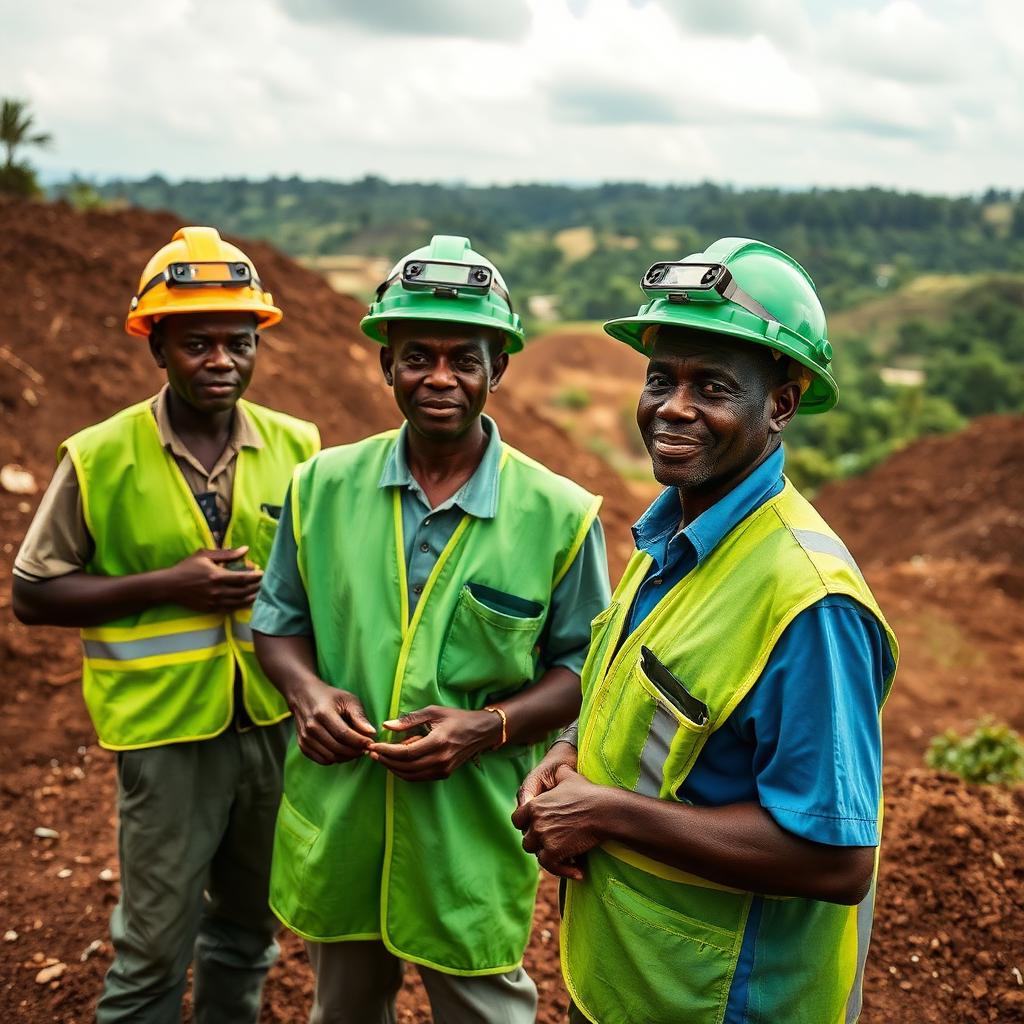
We advise mining companies, MMDAs, host communities and regulators across Ghana's gold, bauxite, manganese and small-scale mining landscape on responsible, ESG-aligned operations. Our services span environmental and social impact assessments, community development agreements, local content and livelihoods planning, land reclamation, mercury-free ASM practices, and alternative green enterprises for mining-affected youth and women — helping operators meet Minerals Commission, EPA and international standards while delivering lasting shared value.
Artificial Intelligence and Robotics Skills Development
We equip youth, women and persons with disabilities with practical skills in artificial intelligence, robotics, coding, data literacy, machine learning and automation. Through inclusive, hands-on training, mentorship, innovation labs and industry partnerships, we nurture problem-solvers who design and deploy AI and robotics solutions for agriculture, health, energy and enterprise — building Ghana's next generation of digital innovators and unlocking decent, future-ready jobs in Africa's emerging technology economy.
Our five-year commitment to a climate-resilient, prosperous and accountable Africa.
By 2030, Escape Poverty (EP) Africa will be a leading pan-African advisory and implementation partner — delivering measurable impact across our eight service lines, reaching one million lives, and mobilising catalytic finance for inclusive green growth.
Scale climate-resilient agri-food systems
Target · 500,000 smallholder farmers reached
Advance climate-smart cocoa, rice, poultry, aquaculture and horticulture value chains across 8 African countries — raising yields by at least 40%, cutting post-harvest losses, and mainstreaming circular crop–livestock models that turn waste into biogas, compost and healthier soils.
Strategic Objectives
- G1.1Train 500,000 smallholder farmers in climate-smart production, soil health and Good Agricultural Practices.
- G1.2Establish 300 farmer cooperatives and producer organisations linked to structured off-taker markets.
- G1.3Roll out circular crop–livestock and bio-digester models in 1,000 farming communities.
- G1.4Facilitate USD 20M in agri-finance and input credit for women- and youth-led farm enterprises.
Accelerate the clean energy and climate transition
Target · 250,000 tCO₂e mitigated
Deploy clean cooking, solar irrigation, drying and cooling, and bio-digester solutions in 1,500 rural communities; support 20 institutional clients with GHG accounting, climate risk assessments and net-zero roadmaps aligned to Ghana's NDCs.
Strategic Objectives
- G2.1Distribute 200,000 clean cookstoves and 5,000 productive-use solar systems in underserved communities.
- G2.2Deliver 20 GHG inventories, climate risk assessments and net-zero roadmaps for public and private clients.
- G2.3Mobilise USD 15M in climate and carbon finance aligned to Ghana's NDCs and Article 6.
- G2.4Build the technical capacity of 2,000 clean energy technicians, artisans and last-mile distributors.
Equip Africa's youth with future-ready skills
Target · 100,000 youth trained · 60% women
Deliver demand-driven TVET, green skills and AI & robotics programmes — with a clear pathway to decent jobs, apprenticeships and self-employment for youth, women and persons with disabilities across Ghana and the sub-region.
Strategic Objectives
- G3.1Develop and accredit 15 competency-based TVET and green-skills curricula with CTVET and industry.
- G3.2Train 100,000 youth — at least 60% women and 10% persons with disabilities — in market-relevant trades.
- G3.3Broker 25,000 apprenticeships, internships and job placements with anchor employers.
- G3.4Establish 10 regional TVET centres of excellence and trainer-of-trainers networks.
Grow competitive, climate-smart MSMEs
Target · 10,000 MSMEs strengthened
Provide business development services, investment readiness coaching and market linkages that unlock USD 50 million in catalytic finance for green enterprises, circular economy ventures and inclusive value chains.
Strategic Objectives
- G4.1Deliver BDS and investment readiness to 10,000 MSMEs across agri-food, energy, fashion and recycling.
- G4.2Unlock USD 50M in catalytic finance, grants and blended capital for green and women-led enterprises.
- G4.3Incubate 500 circular economy and eco-innovation start-ups with market and mentorship support.
- G4.4Broker 300 offtake, distribution and export partnerships in regional and international markets.
Set the standard for evidence, MEL and learning
Target · 150 rigorous studies delivered
Establish EP Africa as a trusted research and MEL partner for governments, donors and the private sector — with a pan-African footprint, robust digital data systems and adaptive learning that turn evidence into policy and practice.
Strategic Objectives
- G5.1Deliver 150 baselines, evaluations, ESG and gender studies across Africa to donor-grade standards.
- G5.2Deploy a digital MEL platform with real-time dashboards, mobile data collection and open datasets.
- G5.3Publish 50 evidence briefs, learning papers and policy notes to inform government and donor decisions.
- G5.4Certify 200 in-house and partner MEL professionals to international evaluation standards.
Deepen governance and social accountability
Target · 200 MMDAs and CSOs supported
Strengthen transparent, citizen-centred local governance through community scorecards, social audits, RTI and town-hall dialogues — improving service delivery in health, education, sanitation and security across underserved districts.
Strategic Objectives
- G6.1Support 200 MMDAs, CSOs and traditional authorities with planning, budgeting and service-delivery tools.
- G6.2Facilitate 1,000 community scorecards, social audits and RTI engagements in underserved districts.
- G6.3Train 5,000 citizen monitors, women leaders and youth advocates in social accountability practice.
- G6.4Publish an annual Local Governance & Accountability Index tracking district-level performance.
Champion responsible and sustainable mining
Target · 50 mining communities engaged
Advise operators, regulators and host communities on ESG-aligned, mercury-free and reclamation-led practices — while creating alternative green livelihoods for youth and women in mining-affected landscapes.
Strategic Objectives
- G7.1Advise 30 mining operators and regulators on ESG, community development and local content compliance.
- G7.2Convert 2,000 ASM operators to mercury-free, formalised and safety-compliant practices.
- G7.3Reclaim and reforest 750 hectares of degraded mining land with community-managed models.
- G7.4Establish alternative green livelihoods for 10,000 youth and women in mining-affected communities.
Build Africa's AI and robotics talent pipeline
Target · 25,000 learners in AI, robotics and data
Launch inclusive innovation labs, mentorship networks and industry partnerships that nurture problem-solvers deploying AI and robotics for agriculture, health, energy and enterprise across the continent.
Strategic Objectives
- G8.1Establish 8 inclusive AI, robotics and innovation labs across Ghana and partner countries.
- G8.2Train 25,000 learners — with strong participation of girls and PWDs — in coding, AI and data literacy.
- G8.3Incubate 100 AI-for-good start-ups solving problems in agriculture, health, energy and education.
- G8.4Forge 30 industry, academic and government partnerships to anchor Africa's AI talent pipeline.
Strengthen the institution and partnerships
Target · USD 30M portfolio · 40+ active partners
Grow a resilient, well-governed organisation with a pan-African footprint, diversified funding base, strong safeguarding and ESG standards, and strategic alliances with governments, development partners, financiers and the private sector.
Strategic Objectives
- G9.1Grow a USD 30M diversified portfolio spanning grants, contracts, blended finance and earned income.
- G9.2Establish country presence or accredited partners in at least 8 African countries.
- G9.3Achieve full compliance with safeguarding, ESG, data protection and donor due-diligence standards.
- G9.4Build a high-performing team of 100+ staff and associates with strong gender and generational balance.
1M+
Lives impacted by 2030
8
Countries of operation
USD 50M
Catalytic finance mobilised
250K tCO₂e
Emissions mitigated